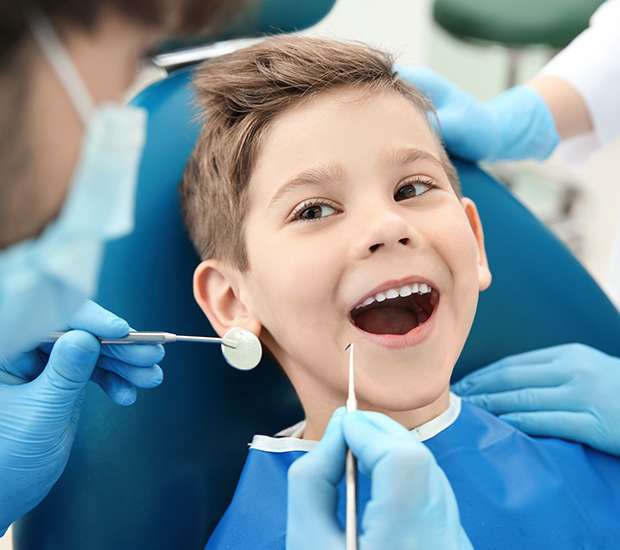
Dental Sealantsin Huntersville, NC
Protecting Smiles from Cavities with Dental Sealants at Our Huntersville Dental Office
At Lake Norman Dentistry in Huntersville, NC, we believe in proactive care to keep your family's smiles healthy and bright. That's why our Huntersville, NC dentist, Dr. Scott Guice, often recommends dental sealants – a simple yet incredibly effective way to guard against cavities. Whether you're in Huntersville, Cornelius, Davidson, Mooresville, or even North Charlotte, understanding how these thin, protective coatings work can make a huge difference in preventing tooth decay for both children and adults.
Sealants are especially vital for safeguarding the chewing surfaces of molars and premolars, which are naturally prone to trapping food and bacteria. For long-lasting protection for your family's oral health, schedule a dental sealant appointment today by calling (704) 895-3858.
What Are Dental Sealants and How Do They Work?
Dental sealants are thin, protective coatings applied to the chewing surfaces of your back teeth – molars and premolars. Think of them as a clear shield for your teeth! These areas have natural grooves and pits that can easily trap food particles and bacteria, leading to plaque buildup and eventually, cavities. Sealants work by filling in these tiny crevices, creating a smooth surface that's much easier to clean and less inviting for decay-causing germs. This simple barrier significantly reduces your risk of developing cavities, making them a cornerstone of preventive dentistry.
What Are Dental Sealants Made Of?
Most dental sealants are made from a durable, tooth-colored resin material that bonds strongly to your enamel. Some types also contain glass ionomer, which can release fluoride to further strengthen the tooth. Both materials are safe and effective, chosen by your Huntersville dentist based on your specific needs to provide the best possible protection.
Who Should Consider Dental Sealants? Children and Adults in Huntersville
Dental sealants are a fantastic preventive measure for a wide range of patients right here in Huntersville and our neighboring communities. While often associated with kids, they offer significant benefits for adults too!
- Children: They are most commonly recommended for children as soon as their permanent molars erupt – typically around age six for the first molars and age 12 for the second molars. These newly emerged teeth are particularly vulnerable to decay. As a leading pediatric dentist in Huntersville, Dr. Scott Guice emphasizes sealants as a crucial step in protecting young smiles.
- Children with Susceptible Teeth: If your child has deep grooves in their molars, they’re at a higher risk for cavities. Sealants provide an essential shield.
- Adults with Deep Grooves: It’s not just for kids! Many adults have naturally deep grooves in their back teeth that can benefit from sealant protection.
- Adults with a History of Cavities: If you’ve had cavities in the past, sealants can be an excellent way to prevent new ones from forming in vulnerable areas.
- Adults Who Missed Childhood Sealants: If you didn’t receive sealants as a child, it’s never too late to take advantage of this effective preventive treatment.
Studies consistently show that sealants can dramatically reduce the risk of cavities, especially in children. For instance, research indicates sealants can cut the risk of cavities by nearly 80% in the first two years after application, providing long-term protection and preventing more extensive dental work down the road.
The Dental Sealant Procedure at Lake Norman Dentistry
One of the best things about dental sealants is how simple and comfortable the application process is. It's typically done in just one visit to our Huntersville dental office and involves a few straightforward steps:
- Clean: First, the tooth (or teeth) receiving the sealant is thoroughly cleaned to remove any plaque or food debris.
- Prepare: The chewing surface is then gently dried, and a mild acidic solution is applied for a few seconds. This creates a slightly rough surface, helping the sealant bond securely to the enamel.
- Rinse & Dry: The tooth is rinsed and dried again, ensuring it’s perfectly ready for the sealant.
- Apply: The liquid sealant material is carefully painted onto the grooves and pits of the tooth.
- Cure: A special curing light is used to harden the sealant, bonding it firmly to the tooth surface in a matter of seconds.
The entire process is quick, usually taking only a few minutes per tooth, and most patients, especially children, experience little to no discomfort. It's a truly painless way to protect against cavities!
Long-Term Benefits of Dental Sealants for a Healthy Smile
Choosing dental sealants at Lake Norman Dentistry offers a wealth of advantages for lasting oral health:
- Powerful Cavity Protection: Sealants create a physical barrier that effectively blocks food particles and bacteria from settling in the vulnerable grooves of your teeth, significantly reducing the risk of decay.
- Cost-Effective Prevention: Investing in sealants now can save you from more extensive and costly dental treatments like fillings or crowns down the road. It’s a smart preventive choice!
- Improved Oral Hygiene: With smoother chewing surfaces, your back teeth become much easier to clean with regular brushing and flossing, contributing to better overall dental hygiene.
- Long-Lasting Protection: With proper care and regular dental check-ups, dental sealants can last for many years – typically five to ten!
- Safe & Non-Invasive: The application is completely non-invasive, requires no drilling or anesthesia, and uses materials considered safe for all ages.
Maintaining Your Dental Sealants for Lasting Protection
Once your dental sealants are in place, maintaining their effectiveness is straightforward and largely depends on good daily oral hygiene and regular dental visits to our Huntersville office.
- Brush and Floss Regularly: Continue to brush your teeth twice a day and floss daily. Sealants make cleaning easier, but they don’t replace the need for thorough hygiene.
- Avoid Hard or Sticky Foods: While durable, sealants can be chipped or dislodged by excessively hard candies, ice, or very sticky foods.
- Routine Dental Check-ups: Schedule regular six-month check-ups with Dr. Scott Guice. During these visits, we’ll inspect your sealants to ensure they are intact and providing optimal protection. If any wear or damage is noted, we can often repair or reapply them quickly.
With these simple practices, your dental sealants can continue to protect your smile for many years.
Check out what others are saying about our dental sealants on Yelp: Dental Sealants Huntersville
Frequently Asked Questions
Are dental sealants safe for children?
How long do dental sealants last?
Does the dental sealant procedure hurt?
What should I do if my dental sealant falls off or gets damaged?
Ensure a Lifetime of Healthy Smiles with Lake Norman Dentistry
Dental sealants are a simple, effective, and highly recommended tool in our mission to prevent cavities and promote lasting oral health for families in Huntersville, NC, and surrounding areas like Cornelius, Davidson, Mooresville, and North Charlotte. At Lake Norman Dentistry, Dr. Scott Guice and our dedicated team are committed to providing top-notch preventive care, including dental sealants, to protect your family's smiles. By understanding the benefits, procedure, and proper maintenance of sealants, you're taking a proactive step towards a healthier future.
Don't wait for cavities to strike, let us help you safeguard those precious smiles. Ready for a cavity-free smile? Schedule your dental sealant consultation with Dr. Scott Guice, your trusted Huntersville dentist by calling (704) 895-3858.
Questions Answered on This Page
Q. What do dental sealants do?
Q. What is it like to have dental sealants on the teeth?
People Also Ask
Q. What can you use to help prevent tooth loss?
Definition of Dental Terminology
- Cosmetic Dentistry
- Cosmetic dentistry is generally used to refer to any dental work that improves the appearance (though not necessarily the function) of a person’s teeth, gums and/or bite.
- Decay
- Tooth decay is when the enamel of the tooth begins to decay and cause erosion from plaque and tartar on the teeth.
- Dental Caries
- Dental caries is also known as cavities and result from a lack of proper oral hygiene leaving plaque that forms tiny holes in the teeth.
- Dental Checkup
- A dental checkup is an appointment that involves cleaning the teeth, identifying any signs of infection and removing said signs of infection at least once every six months in the office.
- Dental Filling
- A dental filling involves restoring the structure of the tooth by using metal, alloy, porcelain or plastic to fill the tooth.
- Dental Prophylaxis
- A dental prophylaxis is a professional and detailed cleaning that involves the removal of plaque, calculus and stains from the teeth.
- Dental Sealants
- Dental sealants contain a resinous material that we apply to the chewing surfaces of the posterior teeth to prevent dental caries.
- Dentist
- A dentist, also known as a dental surgeon, is a doctor who specializes in the diagnosis, prevention, and treatment of diseases and conditions of the oral cavity.
- Gingivitis
- Gingivitis is the inflammation of gum tissue that results from plaque, other infections in the mouth and poor oral hygiene.
- Preventive Dentistry
- Preventive dentistry is the dentistry that focuses on maintaining oral health in order to prevent the spread of plaque, the formation of tartar and infections in the mouth.
- Tartar
- Tartar forms when plaque builds up on the surface of the teeth and calcifies into a hard surface that is much more difficult to remove and will require professional treatment.
- Tooth Enamel
- Tooth enamel is the protective visible outer surface of a tooth that contains the dentin and dental pulp.
Back to top of Dental Sealants
Recent Posts

5 Reasons Preventative Dental Care Is Important
Preventative dental care is critical. For most people, the word "dental appointment" brings anxiety and dread. There are many reasons why people feel this way like how dentists have been historically portrayed in the media or past bad experiences.The reality is that a visit to the dentist can save a person a lot of pain,…

Four Traits Of A Kid-Friendly Dentist
A visit to the kid-friendly dentist is no easy feat for many children, especially younger ones who are having their first appointment. You need to choose the right dentist for your child, and this means a dental professional with the right qualification, experience and character. This is important to ensure the child has a positive…

How To Find The Right Kid-Friendly Dentist For Your Child
Wanting to find the right kid-friendly dentist for your child? While there are many dentists who have decided to focus their dental practice on treating kids and teenagers, it is important for you to choose one that is the right fit for you and your family.A kid-friendly dentist is one who understands all the special…

Peridontal Care From A Family Dentist
If you have swelling or bleeding in your gums, you may need periodontal care from your family dentist. Having loose teeth or a bad taste in the mouth can also be signs of gum disease. This is a serious condition that can cause tooth loss in the late stages. Keep reading to learn more about…